






 </>
</>Floor tiles collect dust, dirt, footprints and spills every day. Regular cleaning can keep them looking fresh and make your home feel cleaner.
However, simply using more water or more cleaning product does not always give better results. The right cleaning method and the right tools can make floor cleaning much easier.
In this guide, we will show you how to clean floor tiles at home using a simple routine that works well for everyday cleaning.
1. Remove Dust and Loose Dirt First
Before mopping, remove loose dust, hair and dirt from the floor.
You can use a broom, dustpan or vacuum cleaner depending on the type of floor and the amount of dust.
This step is important because loose dirt can spread around when mixed with water.
For everyday cleaning, sweeping the floor first can make the mopping process much easier.
2. Prepare Your Cleaning Solution
Fill a bucket with clean water and add an appropriate amount of floor-cleaning solution according to its instructions.
Avoid using excessive cleaning product. More product does not necessarily mean a cleaner floor.
If you are cleaning a delicate surface, always check whether the cleaning solution is suitable for that material.
3. Mop the Floor
Use a suitable mop to clean the floor.
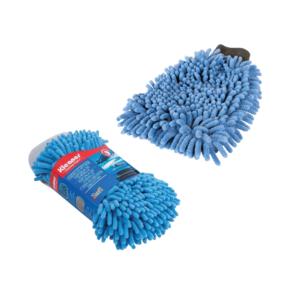
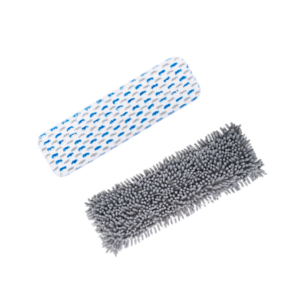
A microfiber mop can be useful for everyday cleaning because its washable cleaning head can be reused.
Start from the farthest area of the room and work toward the exit. This helps you avoid walking over areas that you have already cleaned.
Pay extra attention to areas around:
- Dining tables
- Kitchen entrances
- Doorways
- Sofas
- Bathroom entrances
These areas usually collect more dirt and footprints.
4. Don’t Leave Excess Water on the Floor
One of the most important parts of floor cleaning is removing excess water.
A wet floor can take longer to dry and can leave marks if too much water remains on the surface.
A floor wiper or squeegee can help push excess water toward a drain or suitable collection point.
This is particularly useful in bathrooms, kitchens and other areas where water frequently collects.
5. Pay Attention to Tile Grout
The spaces between tiles can collect dirt over time.
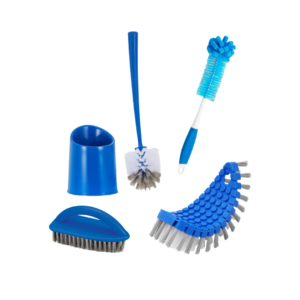
If the grout looks dirty, use a suitable grout-cleaning method and a small cleaning brush.
Avoid using harsh chemicals without checking whether they are safe for your particular tiles and grout.
6. Let the Floor Dry
After cleaning, allow the floor to dry properly.
Good ventilation can help speed up drying. Open windows or doors where appropriate and avoid unnecessary foot traffic until the floor is dry.
